


Rising patient expectations have made WhatsApp the de facto front desk for healthcare, where queries, updates, and support begin.
Healthcare providers are uncovering the power of connecting with patients on platforms they already use, meeting expectations for quick, seamless, and personalized interactions.
WhatsApp automation offers a practical path forward by reducing wait times, improving patient engagement, and streamlining everyday administrative tasks, so healthcare professionals can handle the most important part, patient care.
This blog explores how WhatsApp is reshaping communication in the healthcare sector for the better.
Why healthcare needs WhatsApp chat automation?
With over 3 billion users globally and, WhatsApp is one of the most widely used communication platforms. And, surveys show that about 80% of healthcare consumers express a strong preference for digital communication tools (such as SMS, online forms, or messaging) when interacting with providers.
WhatsApp’s accessibility and familiarity make it an ideal channel for healthcare providers to engage with patients. Plus, WhatsApp APIs allow businesses to create secure, customized, and interactive workflows that cater to a variety of healthcare needs.
For healthcare providers, WhatsApp offers these key advantages:
- 24/7 Communication for patient queries and engagement.
- A mobile-first approach that meets patients where they already spend their time.
- Real-time updates and notifications for better engagement.
- Seamless integration with existing healthcare systems, like Hospital Information Systems (HIS).
Key use cases of WhatsApp automation in healthcare
WhatsApp automation can make your everyday interactions with patients faster, more reliable, and more convenient when applied across the following key functions:
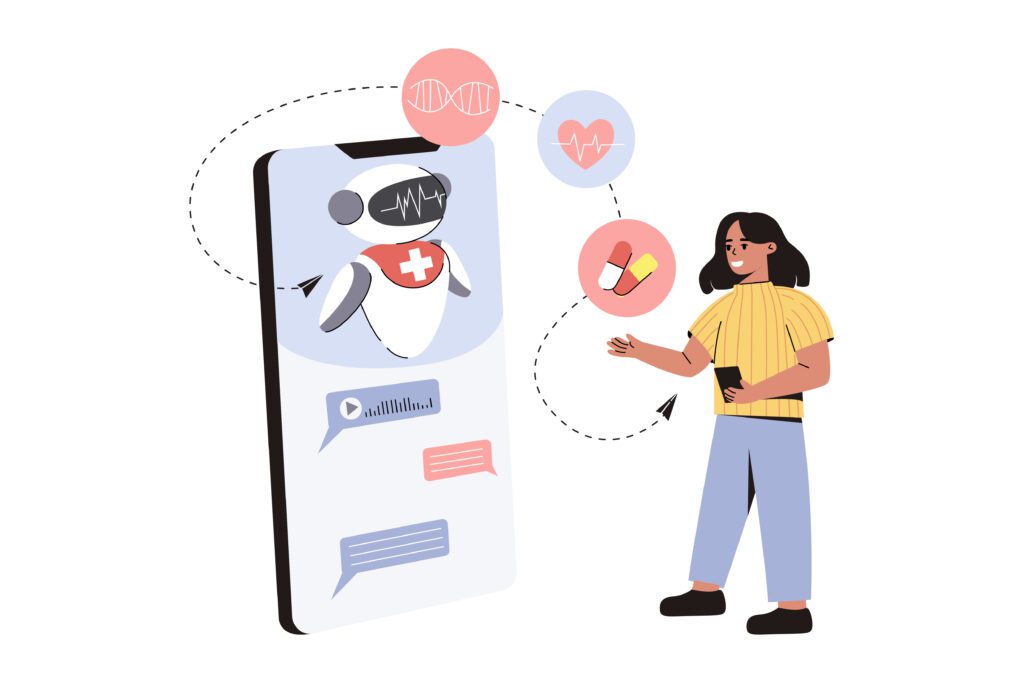
1. Appointment booking, management & reminders
One of the most time-consuming processes in healthcare is appointment booking, and missed appointments only add to the burden. WhatsApp automation removes the inefficiencies of phone calls and follow-ups, while automated reminders, confirmations, and rescheduling options keep patients informed and reduce no-shows.
- How it Works: By integrating WhatsApp with an HIS, patients can schedule appointments with a few taps. The real-time scheduling interface allows patients to check availability, select preferred time slots, and confirm appointments instantly. Also, reminders can be automated to confirm attendance, cancel, or reschedule the appointment.
2. E-Prescriptions and paperless documentation
Managing medical prescriptions and records is a critical yet resource-intensive task in healthcare. WhatsApp simplifies this process by enabling the secure sharing of e-prescriptions, lab results, and other documents.
- How it works: After a consultation, doctors can send encrypted e-prescriptions directly to patients via WhatsApp. This creates a digital medical history that patients can access anytime.
3. Patient support & FAQs
Patients often have repetitive queries, such as visiting hours, insurance coverage, or preparation instructions for tests. WhatsApp chatbots can handle these FAQs instantly, providing accurate information and freeing up staff to focus on more complex inquiries.
- How it works: When a patient sends a query, the WhatsApp chatbot identifies the intent, pulls the right information from its knowledge base, and replies instantly. If the query needs human support, it automatically routes the conversation to a staff member.
4. Teleconsultations & follow-ups
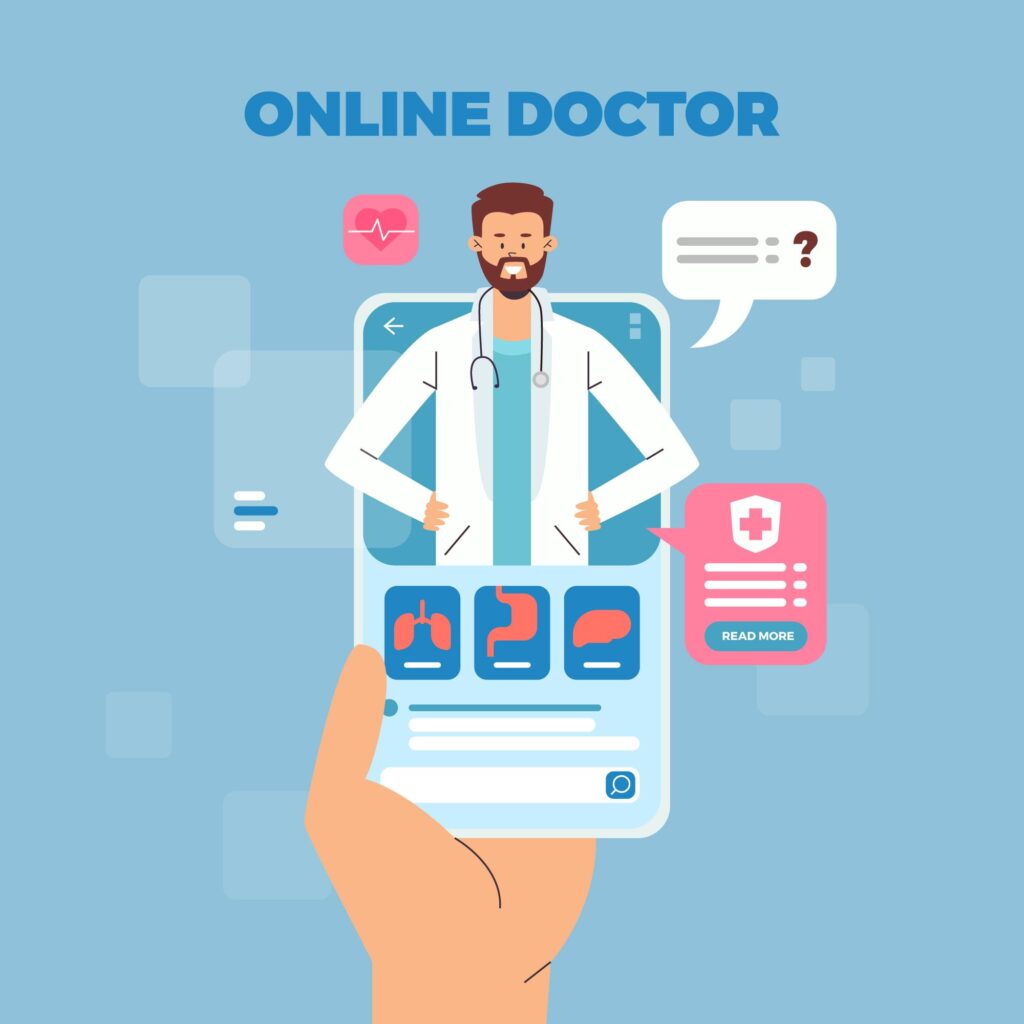
Virtual healthcare is also on the rise, and WhatsApp automation can streamline teleconsultation bookings and post-consultation follow-ups. Patients can schedule online consultations, receive reminders, and even get follow-up care instructions directly within the chat.
- How it works: A patient can request for teleconsultation service via WhatsApp, and the chatbot checks doctor availability, suggests time slots, and books the appointment instantly. After the consultation, automated follow-up messages share care instructions, medication reminders, or links for additional support.
5. Capturing patient attributes and health data
Collecting patient information is often the first step in providing personalized care. With WhatsApp automation, healthcare providers can gather detailed patient information through conversational flows.
- How it works: Chatbots can prompt patients to answer a series of relevant questions, such as health history, symptoms, or insurance details. Patients can even upload medical documents directly through the chat, which are then securely stored for review by healthcare professionals.
6. Upselling and cross-selling healthcare services
Healthcare providers can leverage WhatsApp to recommend complementary treatments, seasonal health packages, or wellness services that may benefit patients. This not only enhances the quality of care but also helps providers diversify their services.
- How it works: Based on a patient’s recent interactions or treatments, the bot suggests additional services. For example, a patient recovering from surgery might be recommended physiotherapy sessions. Similarly, during flu season, a bot could promote vaccination campaigns.
7. Feedback collection
Collecting patient feedback is crucial for improving services. However, traditional methods like email surveys often go unanswered. WhatsApp provides a more convenient way to seek feedback right after patient interactions.
- How it works: Once an appointment or treatment is completed, the chatbot can send a quick survey asking patients about their experience.
8. Emergency alerts & notifications
In urgent situations, healthcare providers need a fast and reliable way to reach patients or staff. Automated WhatsApp alerts can notify patients about sudden schedule changes, recalls, or critical health advisories, ensuring timely action without overwhelming staff with phone calls.
- How it works: When an urgent update, such as a schedule change, critical advisory, or recall, is triggered, the system instantly pushes WhatsApp alerts to the relevant patients or staff. The chatbot ensures delivery, tracks reads, and can prompt recipients to acknowledge or take the next required action.
9. Insurance & billing assistance
Automated chats can help patients understand their insurance coverage, payment options, or billing queries, reducing confusion and call center load. Patients can receive invoices, payment confirmations, and even reminders for outstanding bills securely via WhatsApp.
- How it works: When a patient asks about insurance or billing, the chatbot pulls real-time information from your billing system or insurance database and shares it instantly on WhatsApp. It can deliver invoices, coverage details, secure payment links, and send automated reminders for pending bills.
10. Chronic disease management
For patients with chronic conditions, WhatsApp automation can send regular check-in messages, medication reminders, and lifestyle tips. For instance, a diabetes clinic can automatically prompt patients to log blood sugar levels or receive dietary guidance.
- How it works: The chatbot sends scheduled check-ins, medication reminders, and lifestyle guidance based on each patient’s care plan. Through integrations with EMR systems or monitoring apps, it can track logged readings like blood sugar levels and trigger follow-up messages or alerts.
11. Staff coordination & internal alerts
WhatsApp automation isn’t just for patients. Hospitals and clinics can use it to streamline internal communication, like shift notifications, emergency alerts, or protocol updates, ensuring staff are informed instantly.
- How it works: The system connects with your internal HR or scheduling software to automatically send shift updates, protocol changes, or urgent alerts to staff on WhatsApp. It can confirm acknowledgments, track who has seen the message, and escalate to supervisors if critical alerts go unread.
Benefits of WhatsApp automation in healthcare
WhatsApp automation is not just a chatbot that answers basic questions. Here are the key benefits WhatsApp automation brings to healthcare:
1. Improved patient satisfaction
WhatsApp’s familiar interface makes communication easier, faster, and more intuitive. Personalized interactions and timely updates keep patients engaged and informed, fostering a stronger relationship with their healthcare providers.
2. Enhanced operational efficiency
Automation reduces manual, repetitive tasks, allowing administrative staff to focus on higher-value activities like patient care coordination. This leads to greater productivity and cost savings.
3. Seamless integration with existing systems
WhatsApp automation can integrate seamlessly with HIS and electronic health record (EHR) systems, ensuring that all patient data is securely stored and easily accessible.
4. Reduced no-shows and missed opportunities
With automated reminders and follow-ups, patients are less likely to miss appointments, leading to better resource utilization and continuity of care.
5. Data-driven decision-making
Every interaction through WhatsApp generates valuable data. By analyzing this data, healthcare organizations can identify trends, optimize workflows, and improve their overall services.
6. Cost-effective communication
Compared to traditional methods like phone calls or SMS, WhatsApp offers a more affordable and scalable communication solution, especially for large-scale healthcare providers.
Choosing the right WhatsApp automation platform for healthcare (and why Swiftsell fits the role)
Not all WhatsApp chatbots are built for the complexities of healthcare. The right platform should automate messages while enhancing patient engagement, reducing administrative load, and protecting sensitive data.
Here are the essential features every healthcare provider should look for:
1. AI-powered conversation handling
A healthcare-ready WhatsApp chatbot must understand natural language, recognize patient intent, and respond accurately to queries. This includes answering simple questions about appointment availability or lab results, as well as handling more complex inquiries such as insurance coverage or treatment instructions.
Swiftsell’s AI-first engine is trained on healthcare workflows, enabling it to manage repetitive queries automatically while escalating sensitive cases to human staff without friction. It also uses verified knowledge bases to deliver accurate, consistent, and up-to-date information every time.
2. Multi-language support
Healthcare providers serve diverse patient populations, and communication gaps can lead to misunderstandings or missed steps in care, something the industry cannot afford.
Swiftsell includes built-in multi-language support, ensuring patients receive clear, culturally relevant information in their preferred language. This improves understanding, compliance, and overall patient satisfaction.
3. Smart appointment reminders & scheduling automation
Automated reminders reduce no-shows and keep schedules on track. The best systems also manage confirmations, cancellations, and rescheduling without needing staff intervention.
Swiftsell helps clinics and hospitals to send timely reminders, offer quick rescheduling options, and sync everything with existing scheduling tools, saving hours of manual effort each week.
4. Secure data handling & compliance
Healthcare data is sensitive, and compliance with regulations like HIPAA or GDPR is non-negotiable. Platforms must offer encryption, secure storage, and strict access controls.
Swiftsell follows industry-standard security practices, enabling safe handling of medical details, prescriptions, invoices, and patient histories alongside maintaining regulatory compliance.
5. Integration capabilities, analytics & reporting
Healthcare automation delivers the best results when the chatbot connects seamlessly with existing systems like EHR/EMR platforms, CRMs, billing software, and scheduling tools. Strong analytics are equally important for understanding patient behavior and improving operations.
Swiftsell integrates smoothly with core healthcare systems, syncing appointments, lab results, patient records, and more to keep communication accurate. Its actionable dashboards highlight common patient queries, response times, and workflow bottlenecks, helping teams continuously optimize their operations.
Swiftsell in action – Sabine Hospitals
Sabine Hospitals used Swiftsell’s WhatsApp automation to streamline patient conversations and improve engagement across their healthcare network. With AI-driven chat flows and automated follow-ups, the hospital now captures 300+ qualified leads every month, all directly through WhatsApp. This helped their team manage inquiries faster, respond to patients more consistently, and reduce manual back-and-forth.
Conclusion
WhatsApp automation has the potential to revolutionize healthcare communication.
It reduces missed appointments, streamlines admin tasks, increases patient engagement, and delivers timely support, helping providers stay efficient while still offering personal, patient-centered care.
Healthcare providers that adopt these solutions today will not only improve patient satisfaction but also gain a competitive edge in the market.
Start your journey with Swiftsell to transform healthcare communication and see how AI-powered WhatsApp automation can make your services faster, smarter, and more patient-friendly.